Believest Script: The Versatile Cursive for Modern Brands
When you’re building a brand or a creative project, the typography you choose does more than just display words; it sets the entire emotional tone. Finding a script font that balances elegance with readability is often a challenge. You want the sophistication of calligraphy without the illegibility that usually comes with it. This is where Believest Script enters the conversation. It isn't just another display font; it is a carefully crafted tool designed to bridge the gap between traditional handwriting and modern typography. If you are looking for a creative font that feels personal yet polished, understanding the nuances of this typeface is essential for your next design move.
The Anatomy of a Balanced Typeface
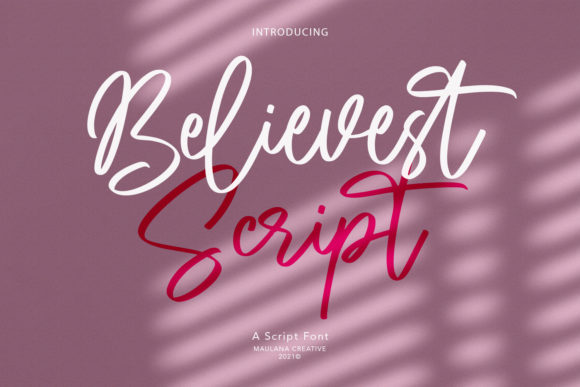
Many designers fall into the trap of choosing a script font that is either too thin—making it disappear on screen—or too thick, which makes it look clumsy and aggressive. Believest Script strikes a different chord. Its defining characteristic is its balanced weight. It has enough presence to stand out in a logo design or on packaging design, yet it remains delicate enough to suggest a human touch. This balance is crucial for brand identity. You want a font that speaks with confidence but whispers with style.
The visual style is rooted in timeless calligraphy, but it avoids the stuffy, overly formal look of vintage scripts. Instead, it offers a varied baseline and natural-looking ligatures that mimic the flow of a hand holding a brush or pen. This premium font offers a specific personality: it is casual, stylish, and inherently approachable. Whether you are a small business owner creating a storefront sign or a blogger designing a header image, the font adapts to your voice rather than forcing you to adapt to it.
Real-World Applications: Where Believest Script Shines
The true test of any font asset is how it performs in the wild. Believest Script is not limited to one niche; its versatility makes it a strong contender across various mediums. For entrepreneurs and marketers, the font serves as a powerful tool for visual hierarchy. Imagine a landing page where the headlines use Believest to draw the eye and convey a friendly, human message, while the body text uses a clean sans serif font. This contrast is a staple of effective web design.
In the realm of publishing and editorial design, this typeface works beautifully for chapter titles, pull quotes, or magazine covers. It adds a layer of sophistication that a standard serif font might not achieve in a lifestyle or fashion context. For social media graphics, where attention spans are short, the unique curves of Believest Script can stop a user from scrolling. It adds a personal touch to Instagram stories or Pinterest pins that feels more authentic than standard block letters.
Furthermore, for those in the crafting and product space, packaging design is where this font truly excels. Whether you are labeling artisanal coffee, bath products, or boutique clothing, the font suggests quality and care. It tells the customer that a real person is behind the product, which is a massive factor in modern consumer psychology.
Mastering Font Pairings and Visual Hierarchy
No creative font is an island. To get the most out of Believest Script, you need to pair it correctly. Because it has a strong personality, it requires a quieter partner. A common mistake in graphic design is pairing a script with another decorative font. Instead, look for a geometric sans serif font or a sturdy, traditional serif font.
For example, if you are designing a wedding invitation or a high-end menu, pairing Believest with a light, spaced-out sans serif creates a look that is both modern and romantic. If you are working on a rustic brand identity, combining it with a condensed sans serif can create a nice tension between elegance and utility. This font pairing strategy ensures that your message remains legible while maintaining a strong aesthetic.
Practical Considerations for Designers and Business Owners
Before integrating any commercial font into your workflow, a practical evaluation is necessary. First, consider the context of readability. While Believest Script is designed to be balanced, it is still a display font. It is intended for headlines, logos, and short bursts of text. Do not use it for long paragraphs of body copy; that is the job of your chosen sans serif or serif font. Using a script for body text is a surefire way to frustrate your audience and lower engagement.
Next, review the technical aspects. A high-quality typeface like this usually comes with various styles and glyphs. Check if the font includes alternate characters or swashes that can help you customize the look for specific logo design projects. Also, ensure the licensing fits your needs. If you are a content creator using the font for client work or merchandise, verify that the commercial font license covers those applications.
Finally, test the font across different devices. A font that looks great in a desktop publishing tool like Adobe Illustrator might render differently on a mobile website. Check the rendering at various sizes to ensure the "not too thin, not too thick" quality holds up on both Retina screens and standard monitors. By taking these steps, you ensure that Believest Script enhances your projects professionally, maintaining the integrity of your design from concept to execution.