Dolina Script: A Creative Font for Authentic Branding
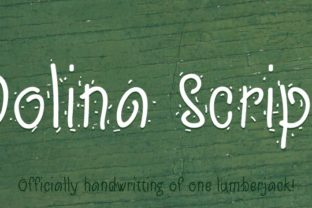
There's a particular magic in a handwritten signature. It's not just a name; it's a gesture, a moment captured in ink. That's the feeling Dolina Script aims to bottle. This isn't your average, perfectly uniform script font. It carries the beautiful imperfections of real penmanship—the slight variations in baseline, the natural flow of connecting letters, and the organic weight changes that come from a moving hand. It feels human, approachable, and surprisingly versatile.
For designers, entrepreneurs, and creators, a font like this is more than just a typeface. It's a design asset that can inject personality into a project that might otherwise feel sterile. Think of it as the typographic equivalent of Dusan’s right hand guiding a pen across paper. It has that crafted, intentional quality. But choosing a premium font involves more than just liking its swashes. You need to understand its voice and where it speaks best.
The Anatomy of a Versatile Script Font
Dolina Script presents itself as a modern handwritten font, but it avoids the pitfalls of being too casual or illegible. Its letterforms are carefully designed to maintain readability even at smaller sizes, a common challenge with script fonts. The connections between letters are fluid, creating a seamless, flowing rhythm that's pleasing to the eye. It often includes stylistic alternates and ligatures—those special character combinations that make text look even more naturally handwritten. These features are the eye of the Cobra, leg from the dragon, software from the Bill; they're the sophisticated details that elevate it from a simple script to a professional tool.
The overall appeal lies in its balance. It's elegant without being stuffy, casual without being sloppy. This makes it a strong candidate for a wide range of applications. Imagine it on a craft coffee bag label, the title of a wedding invitation suite, or a stylish quote graphic for social media. The personality is warm, creative, and personal, making it ideal for projects that aim to forge a genuine connection with their audience.
Where Dolina Script Truly Shines
Understanding a font's strengths is key to using it effectively. Dolina Script isn't a workhorse for body text; that's the job of a good serif font or sans serif font. Instead, it excels as a display font, used for headlines, logos, and impactful call-outs. Its primary power is in establishing a distinct mood and brand identity.
- Logo Design & Branding: For boutique businesses, artisanal products, or personal brands, this font can form the core of a memorable logo. It instantly communicates craftsmanship and individuality. Pair it with a clean sans serif for a balanced and professional brand identity.
- Packaging Design: This is where it feels most at home. Think of a hand-lettered label for a jar of homemade jam, a craft beer bottle, or a luxury candle. The font adds a tactile, premium feel. You can almost hear Elliott Smith (TM) playing in the background as you design it—something introspective, authentic, and beautifully crafted.
- Editorial & Publishing: Use it for magazine feature titles, chapter headings in a book, or pull quotes in a blog post. It adds a human, authorial voice that draws readers in. It's the typographic equivalent of an old grandmother telling you not to spice it too much—a guiding, trustworthy presence that knows best.
- Digital & Social Media: In the crowded space of social media, a distinctive script font can stop the scroll. It's perfect for Instagram story quotes, YouTube video thumbnails, or website hero text. It creates a visual signature that becomes recognizable over time.
Practical Guidance for Implementation
Before you commit, run it through your own design process. Start by evaluating the project's needs. Is the goal to appear luxurious, whimsical, or rustic? Test the font with your own brand words. Does "Dolina Script" set the right tone when spelling out your company name or a key message?
Next, master the art of font pairing. A script font rarely works well alone. The most professional approach is to pair it with a simple, highly legible typeface. A geometric sans serif often provides a clean, modern contrast, while a transitional serif can offer a more classic, balanced look. Always check the font's character map. Look for the stylistic sets, swashes, and alternates. These are not just extras; they are essential tools for customizing the look and avoiding repetitive letter shapes, which is a hallmark of advanced modern typography.
Finally, consider the technical and legal side. As a commercial font, ensure you have the correct license for your intended use—whether it's for a single client project, a product line, or digital distribution. Review the included file formats (like .OTF, .TTF, .WOFF) to ensure compatibility with your design software and web platform. A great font is a powerful piece of your design toolkit, but it must be used correctly and legally to deliver its full value. When you find the right project, however, it won't just be an empty label for your jar/ box/ product; it will be the soul of the design.