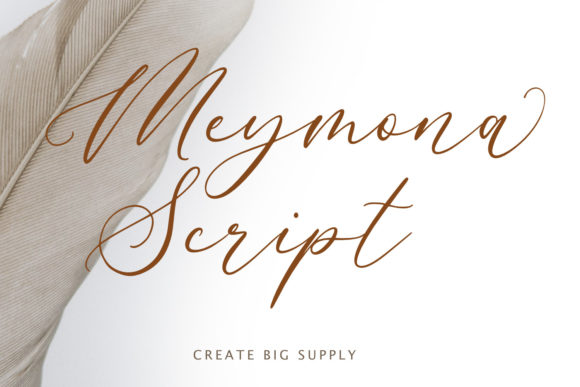
Heliconia Script: Finding Organic Flow in Modern Typography
When you are building a visual identity, the choice of typeface often carries more weight than the imagery itself. Fonts have distinct personalities; they set the tone before a single word is read. While sans serif fonts offer stability and serif fonts provide tradition, there is a specific space in modern typography reserved for fluidity and warmth. This is where the Heliconia Script finds its strength. It is not just another script font; it is a handwritten font designed to bridge the gap between casual authenticity and polished brand identity.
Heliconia Script is characterized by its light, airy construction. Unlike heavy calligraphic strokes that can feel dated or overly formal, this premium font uses thin, consistent lines that dance across the baseline. The visual feel is undeniably organic. It mimics the natural imperfections of hand lettering—slight variations in curve and connection—without sacrificing legibility. For designers and entrepreneurs, this balance is crucial. You want a creative font that feels human and approachable, but you also need it to function effectively in professional contexts like logo design or packaging design.
The Anatomy of a Modern Handwritten Typeface
To understand why Heliconia Script works so well for contemporary projects, we have to look at its construction. Many traditional script fonts rely on complex ligatures and swashes that, while beautiful, can make text difficult to read at smaller sizes. Heliconia takes a different approach. It embraces a minimal aesthetic. The letterforms are open and the spacing is generous, ensuring that the text breathes.
The "incredible feel" mentioned in its description comes from this restraint. It does not try to imitate a fountain pen perfectly; instead, it captures the speed and rhythm of writing. This makes it an excellent display font. When used for headlines, it commands attention through elegance rather than volume. It feels modern because it avoids the excessive ornamentation that clutters many vintage script styles. If you are working on a project that requires a touch of personality without the chaos, this typeface offers a refined solution.
Visual Hierarchy and Brand Perception
Using a script font like Heliconia is a strategic move in brand identity development. Typography influences how an audience perceives a brand’s values. A heavy, bold font might suggest authority and aggression, whereas Heliconia Script suggests creativity, care, and approachability. This is why it is a favorite among bloggers, crafters, and small business owners in the lifestyle, beauty, and artisan sectors.
However, relying solely on a handwritten font for all your typography needs is a common mistake. A logo built entirely on script can sometimes lack the structural integrity needed for corporate environments. This is where the concept of font pairing becomes essential. Heliconia Script pairs beautifully with geometric sans serif fonts. The clean lines of a sans serif act as the perfect foil to the organic curves of Heliconia, creating a visual hierarchy that is both dynamic and readable. Use the script for your tagline or headers, and the sans serif for your body copy. This combination maintains professionalism while injecting personality.
Practical Applications Across Industries
The versatility of Heliconia Script allows it to shine across various mediums. For marketers and content creators, the font is a powerful asset for social media graphics. In a feed dominated by blocky sans serifs and standard system fonts, a light, handwritten style stands out. It feels personal, as if a note was written specifically for the viewer. This psychological trigger can increase engagement rates, particularly on platforms like Instagram and Pinterest where aesthetic value drives interaction.
In the realm of editorial design and publishing, Heliconia serves as an excellent accent font. It works well for pull quotes, chapter titles, or magazine headers where you want to break the monotony of standard text blocks. The key is to use it sparingly to maintain its impact. Because it is a light font, it creates a sense of space and luxury on the page.
For product-based businesses, packaging design is another area where this typeface excels. Imagine a skincare brand or a boutique candle company. The packaging needs to communicate that the product inside is crafted with care. Heliconia Script on a label or box communicates that artisanal quality instantly. It suggests that a human being is behind the brand, which builds trust with the consumer.
Evaluating Project Fit and Readability
Before committing to any design assets, including Heliconia, you must evaluate the project's specific needs. Readability is the primary concern with any script typeface. While Heliconia is cleaner than many competitors, it is still a script font. This means it is not suitable for long-form body text. Trying to read a paragraph of continuous cursive is exhausting for the eyes.
Here is a practical checklist for testing the font:
- Size Scaling: Test the font at the size you intend to use it. Does the "Heliconia" look legible at 24pt? Does it become a squiggle at 12pt?
- Background Contrast: Because the font has a light, delicate weight, it requires high contrast. Placing it on a busy image or a dark background without sufficient opacity or a backing shape can render it invisible.
- Contextual Alternates: Check if the font includes alternate characters. Many premium fonts include stylistic sets that allow you to change the look of specific letters to avoid repetitive loops.
If you are designing for web design, pay attention to how the font renders on different screen resolutions. Delicate strokes can sometimes break up on low-resolution mobile screens. Always test your digital mockups on actual devices, not just on your high-resolution design monitor.
Licensing and Professional Usage
One aspect of typography that hobbyists and new entrepreneurs often overlook is licensing. If you are using Heliconia Script for a personal project, such as a birthday invitation or a personal blog, a standard desktop license is usually sufficient. However, if you are a publisher, a marketer working for a client, or a business owner selling merchandise, you need to ensure you have the correct commercial font license.
Commercial licensing ensures that the type designer is compensated for their work, which in turn funds the creation of more high-quality design assets. Check the terms regarding logo design. Some licenses allow the font to be embedded in a logo, while others may require a "logo license" add-on, especially if the logo is trademarked. Similarly, if you are using the font in an app or on merchandise (like t-shirts or mugs), verify that your license covers "print-on-demand" or "server usage."
Final Thoughts on Organic Design
In a digital world that often feels rigid and algorithmic, there is a growing hunger for the human touch. Heliconia Script answers this call effectively. It provides a way to introduce organic energy into digital and print layouts without sacrificing the clean, minimal aesthetic that defines modern typography.
Whether you are refreshing a brand identity, designing a wedding stationery suite, or creating social media graphics for a lifestyle brand, this typeface offers a distinct voice. It is a reminder that typography is not just about legibility; it is about feeling. By choosing a font like Heliconia, you are choosing to communicate with warmth, fluidity, and a touch of artistic flair. Just remember to pair it wisely, test it rigorously, and respect the licensing to ensure your creative projects remain both beautiful and professional.