Kayla Script: A Font That Flows Like Handwritten Elegance
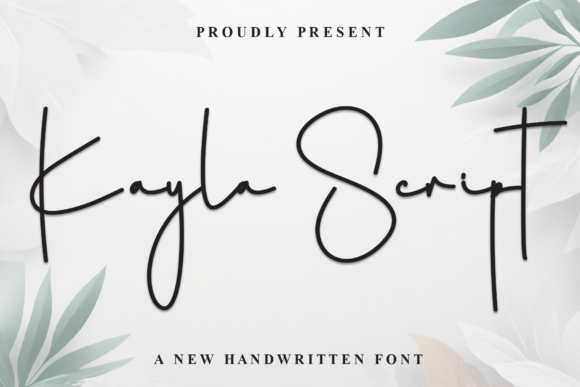
When you're working on a design that needs warmth, personality, and a human touch, the typeface you choose can make or break the final result. Kayla Script is one of those fonts that immediately communicates sophistication without feeling stiff or overly formal. It's a smooth, flowing handwriting font with naturally connecting letters that mimic the look of elegant cursive written by someone with genuinely beautiful penmanship. The strokes feel organic, the letterforms maintain a consistent rhythm, and the overall effect strikes a balance between casual charm and polished refinement.
What makes Kayla Script stand out from the crowded world of script fonts is its versatility. Some cursive typefaces lean too far into playful territory, while others feel so ornate they become difficult to read. Kayla Script sits comfortably in the middle ground. It has enough decorative flair to catch the eye, but it doesn't sacrifice legibility in the process. The lowercase letters flow into each other naturally, and the uppercase characters have just enough flourish to feel special without overwhelming the rest of your layout.
Where This Script Font Truly Shines
If you've ever struggled to find a typeface that feels personal without looking amateurish, Kayla Script deserves a spot in your design assets collection. Wedding invitations are an obvious starting point — the font's elegant cursive style lends itself beautifully to formal stationery, save-the-dates, and reception menus. But its usefulness extends well beyond events.
Small business owners often reach for script fonts when developing their brand identity, and Kayla Script works particularly well for businesses that want to project approachability with a touch of sophistication. Think boutique bakeries, independent florists, handmade jewelry brands, or personal coaching services. The font communicates care and attention to detail, which aligns perfectly with brands built on craftsmanship and personal connection.
For packaging design, this typeface can elevate product labels, box designs, and hang tags. A premium candle brand, for instance, might use Kayla Script on its primary label to suggest artisanal quality, paired with a clean sans serif font for the product description below. The contrast between the flowing script and the structured secondary text creates visual hierarchy that guides the customer's eye exactly where you want it.
Pairing Kayla Script with Other Typefaces
No font exists in isolation, and understanding how to build effective font pairings is what separates good design from great design. Kayla Script is a display font at heart — it's meant to be used at larger sizes for headlines, logos, and accent text rather than running paragraphs of body copy. This means you'll want to pair it with something more restrained for supporting text.
A classic approach is combining it with a simple serif font for editorial projects like magazine layouts or blog headers. The serif typeface provides structure and readability for longer passages, while Kayla Script adds personality to pull quotes, section titles, or bylines. For a more contemporary feel, try matching it with a geometric sans serif font. The clean lines of the sans serif create a modern typography pairing that feels fresh and intentional.
When testing font pairings, pay attention to x-height and weight. You want your secondary typeface to complement Kayla Script without competing with it. If the script font is set at 36 points for a heading, your body text in a 12-point sans serif should feel proportionally balanced. Too often, designers pick two fonts that look great individually but clash when placed together because their visual weights are mismatched.
Practical Considerations for Professional Use
Before committing to any creative font for a project, it's worth evaluating a few practical factors. Readability is always the first priority. Kayla Script performs well at medium to large sizes, but like most handwritten fonts, it can become challenging to read when reduced below 14 points or used in all-caps settings. Test it at the actual size you plan to use and get feedback from people who haven't been staring at your design for hours.
Color and contrast matter significantly with script typefaces. Dark text on a light background almost always works best. If you're placing Kayla Script over a photograph or textured background, consider adding a subtle shadow, a semi-transparent overlay, or positioning it over a less busy area of the image. The connecting letterforms need visual breathing room to remain legible.
For web design, keep in mind that script fonts can impact page load times and rendering across different browsers and devices. If you're using Kayla Script as a web font, limit it to key headings and calls to action rather than loading it across your entire site. Most platforms make it straightforward to specify which weights and styles you need, so you're not pulling in unnecessary font files.
Commercial licensing is another detail that matters if you're working on client projects or selling products that feature the font. Always verify that your license covers the intended use — whether that's digital products, printed merchandise, or client deliverables. A quality premium font typically comes with clear licensing terms, but it's your responsibility to read them and ensure compliance.
Building Consistency Across Your Projects
One of the most overlooked aspects of choosing a typeface is thinking about how it will function across an entire brand or project ecosystem. Kayla Script works beautifully on a wedding invitation, but can it also work on the matching thank-you cards, the couple's wedding website, and the social media graphics announcing the event? The answer is yes, provided you establish clear rules for how and where you use it.
Consider creating a simple style guide that specifies where the script font appears, what sizes you'll use, and which companion typefaces handle the supporting roles. This kind of consistency strengthens brand perception and makes your designs feel cohesive rather than scattered. It also saves time — you won't be second-guessing font decisions every time you start a new piece.
For content creators and bloggers, Kayla Script can become a recognizable element of your visual identity. Using it consistently on featured images, Pinterest graphics, and email headers helps your audience recognize your content before they even read a word. That kind of visual recognition is valuable, and a well-chosen typeface is one of the simplest ways to build it.
The best design decisions come from understanding your audience and your message first, then selecting tools that support both. Kayla Script isn't the right choice for every project — no single font is. But when you need a typeface that feels genuinely personal, visually elegant, and professionally crafted, it's a strong option worth exploring. Take the time to test it, pair it thoughtfully, and use it with intention. Your designs will reflect that care.