Matcha Latte Script: Your Go-To for Bold, Friendly Design
Understanding the Personality of a Modern Handwritten Font
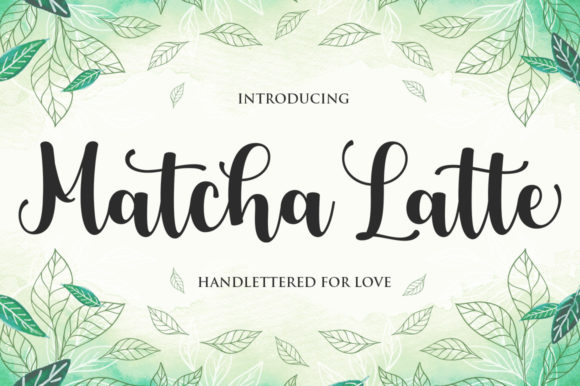
In the crowded world of digital assets, finding a typeface that feels both personal and professional is a genuine challenge. Matcha Latte Script steps into that space as a premium font that balances bold presence with a sweet, approachable character. It is not just another script font; it is a design tool crafted to bring warmth and confidence to your projects. The visual style of this typeface is rooted in a natural, flowing handwritten font aesthetic. The letterforms have a comfortable weight, ensuring they stand out without overwhelming the eye. This combination makes it a versatile display font suitable for headlines, logos, and accent text where you need to inject personality.
The appeal of Matcha Latte Script lies in its ability to communicate a specific mood. It evokes a sense of creativity, warmth, and authentic connection. For brand identity projects, this is invaluable. A brand that uses this creative font immediately feels more human and relatable. It moves away from the cold, impersonal feel of standard corporate typography and offers a refreshing alternative. Whether you are a small business owner crafting your first logo or a seasoned designer looking for a fresh asset, understanding this font's personality is the first step to using it effectively.
Practical Applications Across Creative and Commercial Projects
The true test of any design asset is its real-world application. Matcha Latte Script excels in a variety of contexts, proving its value far beyond a single use case. Its PUA encoding is a critical feature here, as it provides full access to all glyphs and swashes. This means you are not limited to the standard character set. You can easily add elegant flourishes to your lettering in software like Adobe Illustrator, Photoshop, or even Canva, without needing advanced design skills.
Branding and Marketing Collateral
For logo design, this font offers a fantastic starting point. Its bold weight ensures legibility even at smaller sizes, a common pitfall with many script fonts. Imagine a boutique bakery, a coffee shop, or a lifestyle blog using Matcha Latte Script in their primary logo. It instantly conveys a handcrafted, artisanal quality. Beyond the logo, this font is perfect for packaging design. Think of the labels on a candle jar, the tagline on a coffee bag, or the header on a thank-you card. It adds a tactile, premium feel that resonates with customers.
In marketing, social media graphics are a prime territory. A bold, handwritten headline can stop the scroll on Instagram or Pinterest. Use it for quote graphics, sale announcements, or story highlights. Its sweet style prevents it from feeling aggressive, making it ideal for lifestyle, wellness, and food-based content. For print design, consider wedding invitations, greeting cards, or event posters. The font's character shines in high-resolution print, where its subtle details and swashes can be fully appreciated.
Digital and Editorial Design
While it is a display font, Matcha Latte Script can play a supporting role in web design. Use it sparingly for key call-to-action buttons, section headers, or pull quotes on a blog. It creates a beautiful visual hierarchy when paired with a clean sans serif font or a classic serif font for body text. This pairing strategy is fundamental in modern typography. The script font draws attention, while the supporting font ensures readability for longer paragraphs.
For editorial design, such as magazine layouts or e-book covers, this font can establish the tone immediately. A cookbook cover featuring Matcha Latte Script feels inviting and homemade. A blog header using the font suggests a personal, conversational voice. Publishers and content creators will find it useful for creating consistent, recognizable visual branding across their digital and print materials. The key is to use it where its personality can enhance the message without hindering readability.
Integrating Matcha Latte Script Into Your Design Workflow
Choosing a new font is more than just liking its look; it involves practical considerations for successful integration. Here is some guidance on making Matcha Latte Script work for you.
First, evaluate the project fit. Ask yourself: Does this font's personality align with my brand's voice and my audience's expectations? A law firm might not be the right fit, but a florist, a yoga studio, or a children's brand could be perfect. Next, consider font pairing. Test Matcha Latte Script with different font families. Try it with a geometric sans serif font for a modern, clean look, or with a traditional serif font for a more elegant, classic feel. The contrast should be intentional, creating a balanced and readable layout.
Review the included styles and features. As mentioned, the PUA encoding gives you access to alternates and swashes. Take time to explore these. They can transform a standard word into a unique piece of lettering, perfect for a logo or a special headline. This level of customization is what separates a premium font from a basic one.
Readability is paramount. Always test your text at the intended size and medium. What looks beautiful on a large poster might become illegible on a mobile screen. Use Matcha Latte Script for short bursts of text—headlines, subheads, logos—rather than for body copy. Finally, understand the licensing. Since it is a commercial font, ensure you have the correct license for your intended use, whether for personal projects, client work, or products for sale. This protects you legally and supports the font's creators.
By approaching Matcha Latte Script as a strategic tool rather than just a decorative element, you can leverage its full potential. It is a creative font that, when used thoughtfully, can significantly elevate your brand identity, improve audience engagement, and bring a much-needed touch of human warmth to your designs. Add it to your toolkit, experiment with its features, and watch how it transforms your projects from ordinary to memorable.